

How to Use a Filter Coffee Machine
Many coffee enthusiasts love the aroma and flavor of filter coffee. It is simple to prepare and can be enjoyed at any time of the day. You can experiment with various methods of brewing to find one that suits your tastes.
The water tank should be filled before using the machine. This will eliminate the possibility of a chalky taste and is healthy for you.
Filling up the tank with water
A filter coffee maker is an excellent option for making freshly brewed coffee at home. However, it is important to keep in mind that proper use of this machine is crucial for a smooth brewing procedure and a delicious flavor. In addition, regular cleaning and maintenance are essential to ensure the efficiency of the machine. A clean machine can aid in avoiding mineral deposits that can alter the taste of your coffee.
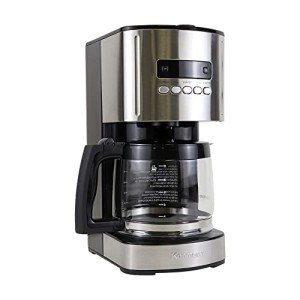
Fill the water tank in your coffee maker before filling it. You should use drinking water instead of tap water. It will provide your coffee with a better taste and reduce the chance that the machine will become clogged in the future. If you don't have any drinking water, you can use tap water.
Once the water has reached the correct temperature and the coffee grounds are added, you can add them. Make sure to ensure that you are using the correct proportion of grounds from coffee to water. It is recommended to use 1 part coffee and 5 parts hot water. However this ratio can be adjusted to suit your personal preferences.
After adding the grounds of the coffee, you are able to start brewing the filter. Pour the water in an upward motion over the grounds of coffee. This will prevent the water from boiling, and cause the grounds to burn. After that, you must wait for 30 seconds for the coffee to begin to bloom or expand. Pour the remaining water over the grounds, and continue pouring.
The water will slowly flow through the grounds into the carafe from which the coffee is brewed. The brew that results will have a full-bodied, rich taste and a pleasant smell. When the brewing process is completed, you can serve it in a mug or carafe.
You can choose to make use of disposable or reusable filters for your coffee maker. Reusable filters, which are typically made of metal or cloth are more sustainable. Disposable filters are better for single-cup brewing and can be reused multiple times before having to be replaced. Both types of filters have their own distinct advantages, and it's vital to select one that suits your preferences and needs.
Making the filter for coffee
The filter in your coffee plays a crucial role in the extraction and flavor of your cup of coffee. It is essential to prepare your filter before brewing coffee, whether you use a paper filter or a mesh filter. This includes rinsing and making sure that the grounds are ready for the brewing. Freshly ground coffee and premium water can also be beneficial. It is crucial to clean the filter regularly and the reservoir of water. This prevents mineral deposits from accumulating within the machine, which can alter the taste and effectiveness of your brew.
The filter coffee maker has many different components that make it simpler to make the perfect cup of coffee. A filter basket is used to store ground beans, while a showerhead evenly distributes hot water over the grounds. A carafe stores the coffee being brewed. Based on the type of machine it could also include additional features such as a clock function. Filter coffee makers are more affordable than pod machines which are costly.
Filter coffee can be made with many ingredients, including beans, sugar and milk. To make a good cup, it's important to select the finest beans. The size of the grind should be uniform and fine. This will ensure an even extraction and a smoother final. The ideal ratio for coffee to water is 10 grams per 180ml, but you can alter the ratio based on your personal preferences.
The filter coffee beans are best freshly ground just prior to each cup of brewing. This will keep the aroma and taste of the beans, and stop the coffee from oxidizing. It is also an excellent idea to use a scale for measuring your ingredients, as this will result in more consistency. It is also important to "bloom" the coffee grounds before brewing, which is done by pouring hot water over the coffee grounds. This helps remove any taste of papery from the coffee and also allows the grounds to absorb water evenly.
Other methods of making filter coffee include the French Press and Aeropress methods. Each method offers distinct flavor and the brewing experience. Exploring these options for filter coffee can help you discover your preferred method of brewing and determine the most delicious flavor for your drink.
Add the grounds of coffee
A filter coffee maker is a convenient method to enjoy a cup freshly brewed coffee every single day. By following the instructions for using a filter machine and implementing a consistent method to improve the quality of your brew. You can enhance the flavor of your coffee by altering factors such as the ratio of water-to-coffee, the size of the coffee grounds and the temperature of the water.
Fill the water tank with filtered, fresh water. The majority of machines have indicators that will tell you when to add water. Avoid using distilled water or water that is highly purified, as it can affect the flavor of your coffee. A water temperature between 195 and 205 degrees Fahrenheit is the ideal temperature to extract the full flavor of your beans.
After the tank is full, measure and add your coffee grinds to the filter basket. A ratio of 2 tablespoons of ground coffee per 5 ounces of water is a good base, but you can vary this to suit your preferences. Use a medium grind to ensure an even flavor profile and extraction.
Press the designated button on the coffee maker to begin making coffee. Pour hot water in circular motions over the coffee grounds until they're completely saturated. It is important to take your time and saturate the grounds evenly, so that all the flavors are extracted.
After the brewing process has completed, remove the filter to serve your coffee. Throw away the used grounds. In the event that you leave them in your filter machine may make the next batch of coffee bitter.
It is important to maintain your filter coffee maker in order to prolong its life and ensure the quality of the brew. Cleaning your filter coffee machine every time you use it is a must. Cleaning it regularly will stop mineral deposits from accumulating, which can affect the taste of your coffee. Check your user's manual to find out how to clean and descale your machine.
Making the coffee
Filter coffee machines offer a simple, effective way to make your morning cup of joe. You can have consistently great coffee if you pay attention to detail and the right method.
The first step is to first fill the filter coffee maker with cold, fresh water. The coffee maker usually has marked lines to show you how much water to add according to the number of cups desired. In most cases, there is an opening at the back or above the filter to allow you to pour the water directly into the machine. This will ensure that there is no overflow that could lead to the flavor becoming unpleasant or inconsistent.
After the machine is refilled with water, it's now time to add the coffee ground. It is essential to use top-quality, freshly-ground beans for optimum flavor and extraction. The amount of ground coffee added is a matter of personal preference, but the ratio of 1 to 2 tablespoons of coffee per 6 ounces of water is common. Be sure to check the label for any special blends that might require a different ratio.
Then, you can place the filter into the machine and begin the process of brewing. It may take a couple of minutes depending on your machine. Be patient! Pour your coffee into the mug that you would like to use and add sugar or milk, if you like. Once your coffee is ready, it's time to relax and enjoy!
There are many different types of filter coffee machines available on the market. Each offers distinctive brewing experience and distinct flavors. Some of the most well-known options include French Press, Moka Pot and Hario V60. Each method has advantages and disadvantages. However, they will all make a great cup if properly brewed. With a little practice, you'll be able to determine which one is best suited to you and your family's specific preferences for coffee. So, why not give one an attempt today? With a little bit of patience you can make the perfect cup of coffee in no time!